

7 Costly Mistakes Iowa Business Owners Make When Planning a Commercial Construction Project
Almost every commercial construction project that goes badly wrong follows a pattern. The warning signs were there in the planning phase. The conversations that should have happened early did not happen until construction was already underway. And by then, fixing the problem cost three to five times more than it would have cost to catch it before the first shovel hit the ground.
This is not a piece about catastrophic failures or dishonest contractors. Most of the costly mistakes in Iowa commercial construction come from business owners who are smart, well-intentioned, and simply unfamiliar with how the process works. They make reasonable assumptions based on how other kinds of projects work, and those assumptions turn out to be wrong in ways that cost real money.
Industry data shows roughly 35 percent of commercial construction projects exceed their original budget, with overruns averaging about 16 percent of contract value. And nearly all of it is preventable with rigorous pre-construction planning. That number should not be discouraging. It should be clarifying. It means there is a known set of things that cause projects to go over budget, and there is a known set of things you can do to avoid them.
Here are the seven mistakes that come up most often in Iowa commercial projects, what they actually cost, and what to do instead.
Mistake 1: Treating the Construction Estimate as the Total Project Budget
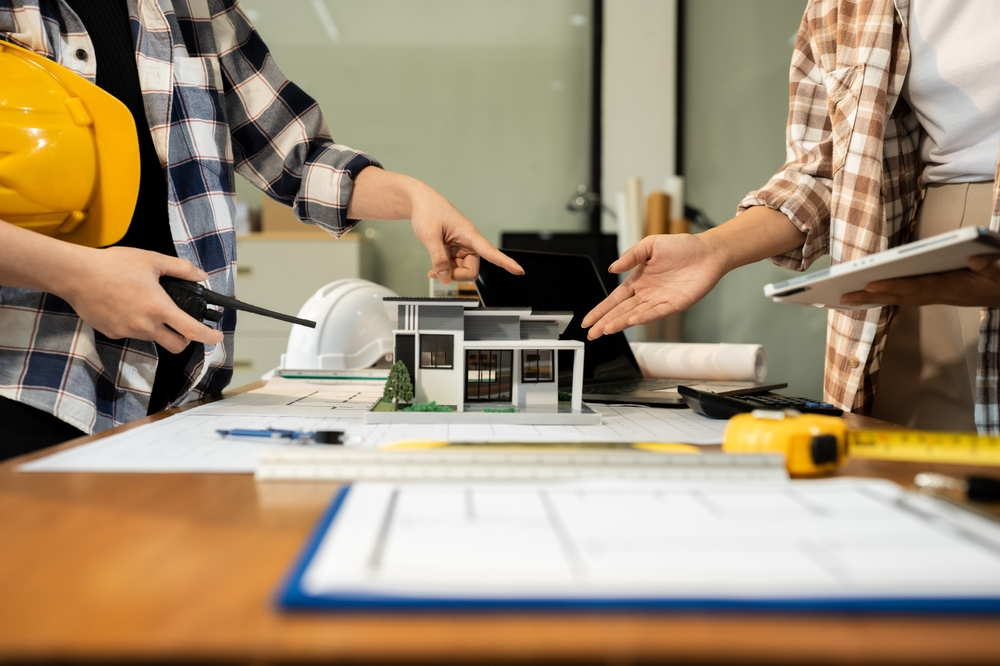
This is the most universal mistake in commercial construction planning, and it catches business owners in every industry and at every experience level.
When a contractor gives you a construction estimate, that number covers the cost of building the physical structure: labor, materials, equipment, subcontractor work, contractor overhead, and profit. It does not cover everything else a project requires, and everything else is substantial.
Business owners often make the mistake of equating construction costs with total project costs, but construction is just one piece of the puzzle. The full project budget needs to include architectural and engineering fees (typically 8 to 12 percent of hard construction cost), civil engineering, permitting fees, geotechnical investigation, environmental assessment if the site warrants it, construction loan interest during the build period, legal and title fees, insurance, furniture and equipment procurement, technology and security systems, signage, and the soft cost of your own time managing the project.
In the Iowa market, these non-construction costs consistently add 20 to 30 percent on top of the hard construction number for most commercial projects. On a $1,000,000 construction estimate, the real total project cost is likely to land between $1,200,000 and $1,300,000 before you open the door.
The contingency question is closely related. A realistic contingency budget provides flexibility while helping keep the project on track. Rather than viewing contingency funds as extra spending money, consider them an important risk management tool. For new commercial construction in Iowa, a 10 percent construction contingency is the minimum to budget. For renovation work in older buildings where existing conditions are unknown until demolition starts, 15 percent is more appropriate.
A project that starts with a budget that accounts for all of these components is one that can absorb the normal surprises of construction without the owner having to make painful decisions mid-build about what to cut.
What to do instead: Before you build any project budget, get a complete scope definition in place, ask your contractor to walk you through all expected soft costs alongside the hard construction estimate, and treat the total as your number, not just the construction line. Our Iowa commercial construction cost guide breaks out hard costs, soft costs, and contingency in detail for every major project type in central Iowa.
Mistake 2: Skipping Site Due Diligence Before Committing to a Property
The lot looks flat. The price is right. The location works. So a business owner or developer purchases the property or signs a lease with a long-term commitment, and then finds out during construction that the soil conditions require a foundation system that costs $80,000 more than the standard spread footings in the budget. Or that a utility easement cuts through the middle of where the building was supposed to go. Or that the site is in a FEMA flood zone that requires finished floor elevation six inches above what was assumed.
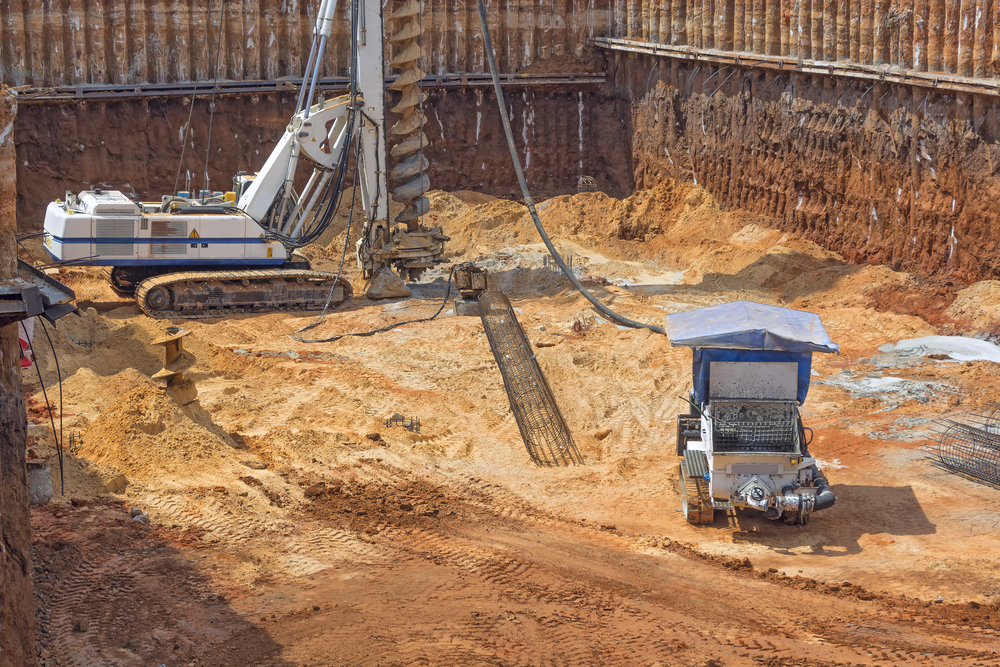
These are not rare scenarios in Iowa. Especially in Iowa, drainage and floodplain issues can cause unexpected problems if overlooked. Site investigations verify whether a property is within a flood zone and help determine stormwater management needs to protect both the property and surrounding infrastructure. Easements, encroachments, or zoning issues can limit how a site may be developed.
Iowa’s agricultural heritage creates a specific risk that catches out-of-state buyers and even some in-state buyers who are not paying attention. Agricultural zoning designations extend deep into suburban fringe areas. A rezoning can take 6 to 12 months. A site that looks like it is in the path of commercial development may still carry agricultural zoning that makes your intended use impossible without a rezoning process that adds months to your timeline.
On the soil side: unexpected subsurface conditions can heavily impact your construction budget mid-project. If your contractor starts excavating and hits unexpected bedrock, the cost of excavation can increase by orders of magnitude overnight. Conversely, finding a hidden pocket of soft fill dirt might require deep expensive pier foundations that were not in the original budget. Addressing unknown soil conditions during construction costs 3 to 5 times more than proper pre-construction investigation.
A basic site due diligence package for a commercial property in Iowa should include a boundary survey, a geotechnical investigation with soil borings, a Phase I environmental site assessment, flood zone verification with FEMA, utility availability confirmation, and a zoning compliance review confirming your intended use is permitted. The cost of this work typically runs $4,000 to $14,000 depending on site complexity and Phase I scope. On a project of any meaningful size, that is not a line item to cut.
What to do instead: Build site due diligence into your acquisition timeline, not your construction timeline. The investigations should happen before you close on the property or before you sign a lease with construction obligations, not after. A contractor involved early can tell you which investigations are most relevant for the specific site you are evaluating.
Mistake 3: Waiting Until After Design Is Complete to Involve a Contractor
There is a widely held belief that the right sequence for a commercial project is to hire an architect, get plans drawn, and then go out to bid for a contractor. The logic seems sound: you get independent design advice before involving the people who will execute it.
The problem is that this sequence consistently produces projects where the design comes back from bid significantly over budget, and the owner has to pay for redesign or value engineering to get back to a number that works. Waiting too long to hire a general contractor for your commercial project can lead to unnecessary challenges, including a higher risk of budget overruns, design features that are difficult to construct, and schedule delays that could have been prevented with better coordination from the start.
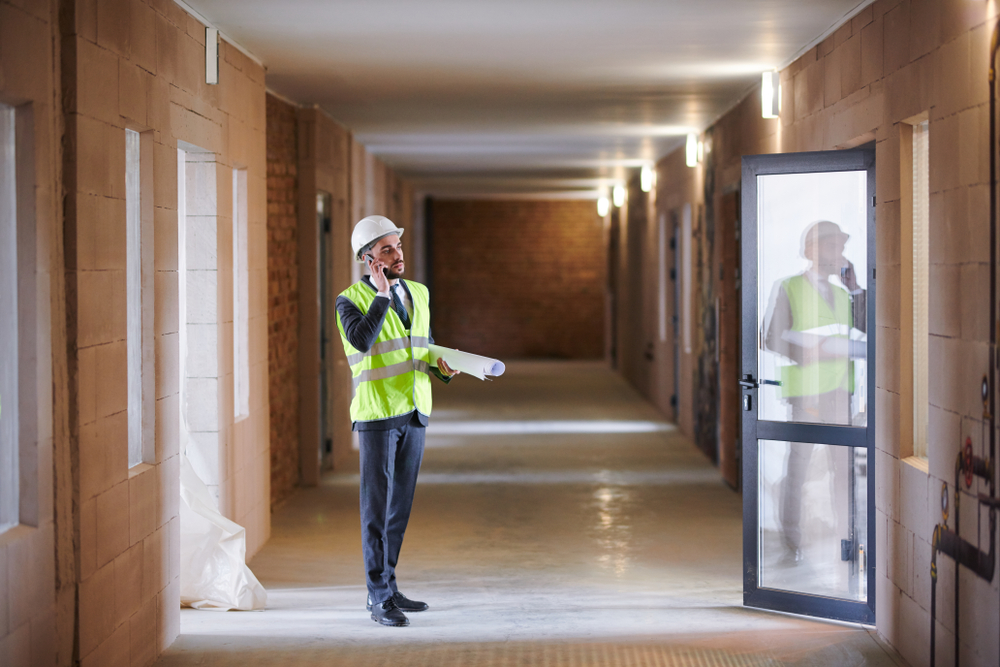
A contractor brought in during the design phase provides real-time cost feedback as the design develops. When an architect specifies a roofing system, a window assembly, a structural approach, or a mechanical configuration that costs significantly more than an equally functional alternative, a contractor with current market knowledge can flag it before it becomes part of a completed design document set. Owners may have a general vision for the project, but if the details are not fully developed, assumptions start filling the gaps. That can lead to misalignment between the owner, architect, contractor, consultants, and subcontractors, resulting in incomplete pricing, design revisions, change orders, and schedule setbacks.
In the Iowa market, early contractor involvement is also important for procurement reasons. As covered in our Iowa commercial construction timeline guide, electrical gear, switchgear, and other long-lead materials often have delivery windows of 16 weeks or longer. A contractor who is not involved until after design is complete cannot start procurement until after permit issuance, which pushes the project schedule out by months that could have been avoided.
What to do instead: Bring a contractor into the project as early as the schematic design phase. Most commercial contractors in Iowa, including Happe Commercial, offer pre-construction services as part of project engagement. The contractor can provide cost feedback as design decisions are made, identify long-lead items for early procurement, and help ensure the finished design documents match the budget that was established at the start of the project.
Mistake 4: Setting a Timeline That Does Not Account for Permitting
Iowa business owners planning commercial projects routinely announce move-in dates, sign leases that begin on specific dates, or make operational commitments based on construction timelines that do not include realistic permitting durations.
The permit review process in Iowa takes real time, and it runs on the building department’s schedule, not yours. As detailed in our commercial construction timeline guide, simple tenant improvement permits in the Des Moines metro typically take 3 to 6 weeks from a complete submission. Standard new commercial construction permits take 6 to 12 weeks. Projects that require zoning changes, variances, or special use permits can take 3 to 6 months due to public notice periods and scheduled board hearing dates.

The word “complete” in that last paragraph matters. Working with an experienced contractor or architect familiar with Des Moines regulations can help navigate the complex requirements. A permit application that goes in with missing civil drawings, incomplete mechanical plans, or code conflicts that the design team did not catch comes back with a correction letter. Responding to that letter and resubmitting adds at minimum two to four weeks per round. Projects with multiple comment cycles can lose two to three months they never recover.
There is also a sequencing issue that affects timelines in ways that are not always obvious. Construction cannot begin before a permit is issued. But procurement of long-lead materials can begin before the permit is issued in many cases, and failing to start procurement early is one of the primary causes of schedule delays once construction finally gets underway.
What to do instead: Build the permit timeline into your project schedule before you make any occupancy commitments. For a standard commercial build in the Des Moines metro, add 8 to 14 weeks of permitting time between design completion and the start of construction. For projects with zoning complexity, add more. And conduct an informal pre-application meeting with the relevant building department before submitting, a step that consistently saves weeks by identifying local requirements before they become correction letters.
Mistake 5: Choosing the Lowest Bid Without Understanding What Is Missing From It
The lowest bid is the most seductive number in commercial construction. It makes the project look more affordable than competing bids. It may let a project proceed that would otherwise be on the financial edge. And it frequently costs more in the end than the bids it beat.
A lower bid may exclude important project components, rely on assumptions, or use lower-quality materials. When comparing proposals, the scope of each bid matters as much as the price. A construction bid that does not include site utility connections, assumes the owner will supply certain materials, excludes permit costs, or carries a lower contingency for existing conditions is not a cheaper project. It is a project with hidden costs that will surface as change orders once the contract is signed.
The practice known in the industry as “buying the job” is relevant here. A contractor who bids below a realistic cost for a project with the intention of recovering margin through change orders will almost always find ways to generate those change orders. Vague scope language in the contract creates room for disputes about what was included. Conditions that any experienced contractor would have anticipated get treated as unforeseen and priced as extras. By the time the project reaches completion, the “low” bidder may have cost more than the second-place bid would have.
Contractor selection risk, which includes low-bid pitfalls, unverified insurance, and weak cost tracking, is one of the most common sources of commercial renovation and construction problems. The questions to ask when evaluating bids are covered in detail in our guide on what to ask before hiring a commercial contractor in Iowa, but the short version is: ask every bidder to walk through their number line by line, identify what is explicitly excluded, and explain their assumptions. The bid that holds up to that conversation is the one you can trust.
What to do instead: Compare bids on scope, not just on price. Ask for a detailed breakdown from every bidder. Identify what each bid includes and excludes explicitly. Ask the low bidder specifically why their number is lower than the others, and get the explanation in writing. A contractor who cannot explain the difference cannot be held accountable for it.
Mistake 6: Making Design Changes After Construction Starts
This one is expensive in a way that most business owners do not fully appreciate until they experience it.
Every decision made during the design phase is essentially free. Moving a wall on a drawing takes an hour of architectural time. Changing a light fixture specification takes a phone call. Relocating a plumbing chase takes an afternoon of coordination between the architect and the mechanical engineer. None of these changes cost construction money because nothing has been built yet.

The same decision made after construction has started costs multiples of what it would have cost before. A wall that needs to move after framing is complete requires demolishing the framing, relocating any electrical, plumbing, or HVAC that runs through it, reframing, closing it in again, and finishing both sides. The labor, material, and scheduling disruption of a single mid-construction wall move can cost $5,000 to $20,000 depending on what runs through it.
Mid-project design changes are one of the primary causes of commercial construction budget overruns. Every change should show scope, cost, and schedule impact, and get owner approval before crews proceed. Disciplined paperwork is cheaper than disputed invoices.
The underlying cause of most mid-construction changes is that owners did not spend enough time reviewing and confirming the design documents before approving them for construction. Walking through a building in your head from a two-dimensional drawing is genuinely hard. Some owners find it helpful to do a detailed walkthrough of the drawings with the architect and contractor together, asking room by room how each space will function and how people will move through it. Others find physical mockups of key layouts useful. Whatever helps you make confident decisions before breaking ground is worth the time investment.
What to do instead: Treat the design review phase as an investment, not a formality. Read the drawings carefully. Walk through the building mentally from every user’s perspective. Ask your architect and contractor to walk through the drawings with you and explain every decision that affects how you will use the space. Make your changes during design, when they are free, not during construction, when they are expensive.
Mistake 7: Underestimating What the Site Itself Will Cost
Site work is where Iowa commercial project budgets get surprised more often than any other single category, and it gets underestimated more consistently than any other line item.
Site work covers everything that needs to happen to take a piece of land from its current condition to a state where construction of the building can begin. That includes clearing and grubbing, rough grading, utility connections from the property line to the building, fine grading, storm water management infrastructure (detention ponds, underground retention, swales), paving, curb and gutter, sidewalks, and landscaping.

On a well-prepared suburban commercial lot in Ankeny or Urbandale with utilities already stubbed to the property line, site work for a modest commercial project might run $75,000 to $150,000. On a raw site at the suburban fringe with a long utility run, a drainage challenge, or soil that requires significant grading, that number can reach $300,000 to $600,000 before the foundation is poured.
The challenge is that site work costs are highly site-specific and cannot be reliably estimated without a civil engineering review of the specific property. The cost to run sanitary sewer service depends on how far the nearest line is and how deep it runs. Grading cost depends on the volume of earthwork required. Storm water management cost depends on the municipality’s requirements and the site’s topography. None of these can be estimated accurately from a property listing.
Iowa’s growing suburban markets add a specific dimension to this. In areas where commercial development is moving ahead of infrastructure, like some of the newer growth corridors in the Des Moines metro, sites that appear attractive on a map may require significant investment in utility extension before construction can proceed. Understanding what municipal infrastructure exists at a prospective site before you commit to it is worth the cost of a civil engineering consultation.
What to do instead: Treat site work as a separate, site-specific line item in your budget that requires a civil engineering estimate, not a rule-of-thumb percentage. Commission a civil engineering review of any site you are seriously evaluating before signing a purchase agreement or finalizing a project budget. The cost of that review is small relative to the budget surprises it prevents.
The Common Thread Across All Seven Mistakes
Every mistake on this list has the same root cause: decisions being made too late with too little information.
The business owners who consistently build successful commercial projects in Iowa are not the ones who are luckier or more experienced. They are the ones who front-load the work. They invest in site due diligence before committing to land. They build realistic budgets that include soft costs and contingency. They involve their contractor early in the design process. They account for permitting in their timeline before making operational commitments. They evaluate bids by scope, not just by price. They review design documents carefully before authorizing construction. And they get a civil engineering estimate on site work before it shows up as a surprise.
None of this is complicated. It is mostly a matter of knowing what questions to ask and when to ask them. A contractor who has worked through these issues on enough Iowa commercial projects can be a useful guide through the planning phase, not just the construction phase.
Talk Through Your Project Before You Commit to Anything
At Happe Commercial, we work with Iowa business owners and developers through the full planning process, from early site evaluation and budget setting through design, permitting, and construction. We are happy to walk through a prospective project with you before you have made any commitments, to help you understand what it will actually cost, how long it will realistically take, and what the site or scope considerations are that need to be addressed early.
Our commercial services page gives you a picture of the full range of work we do across the Des Moines metro, from pre-engineered metal buildings and ground-up office construction to commercial renovation and multi-family development. You can also browse our completed project portfolio to see projects similar to what you are planning.
If you are in the early stages of planning a commercial project in Ankeny, Des Moines, Grimes, West Des Moines, Urbandale, or anywhere else in central Iowa, contact our team for a no-obligation conversation. The best time to avoid the mistakes covered in this guide is before your project starts.
Frequently Asked Questions
What is the most common cause of commercial construction cost overruns in Iowa?
The most consistent cause is an incomplete project budget that treats the construction estimate as the total cost. Soft costs including architecture, engineering, permitting, and financing typically add 20 to 30 percent on top of hard construction costs, and most budget surprises happen because these were not included from the start. Lack of contingency is the second most common cause, followed by design changes made after construction begins.
How much contingency should I budget for a commercial construction project in Iowa?
A minimum of 10 percent of hard construction costs for new construction on a well-understood site. For renovation projects in older buildings where existing conditions are unknown, 15 percent is more appropriate. Contingency is not pessimism, it is what the data from real projects consistently shows is needed to absorb normal construction surprises without requiring painful mid-project scope cuts.
When should I involve a contractor in my Iowa commercial project?
As early as the schematic design phase. A contractor involved during design provides real-time cost feedback, identifies long-lead procurement items, catches constructability issues before they become design documents, and helps ensure the finished plans match the budget established at the start. Waiting until design is complete and going out for competitive bids is the approach most likely to produce a bid that comes back significantly over budget.
How do I avoid being surprised by site work costs on a commercial project in Iowa? Commission a civil engineering review of any site you are seriously evaluating before signing a purchase agreement or finalizing a project budget. Site work costs are highly site-specific and cannot be estimated accurately without understanding what utilities are available, what grading is required, and what storm water infrastructure the municipality requires. On Iowa suburban sites, these costs range from $75,000 to $600,000 or more depending on site conditions.
What should I look for when comparing commercial construction bids in Iowa?
Ask every bidder to walk through their number line by line and identify what is explicitly excluded. Compare bids on scope, not just on price. A bid that comes in significantly below competing bids is missing something or planning to recover margin through change orders. Ask the low bidder specifically why their number is lower than others and get the explanation in writing before making a selection.
