What Developers Should Know Before Starting a Multi-Family Project in Iowa
Multi-family development continues to be one of the strongest real estate opportunities in Iowa. With steady population growth, expanding suburbs, and increasing demand for rental housing, cities like Des Moines, Ankeny, Waukee, and Johnston are attracting developers looking to build apartments, townhomes, and mixed-use communities.
But while the opportunity is strong, multi-family construction is complex. Success depends on smart planning, realistic budgeting, local knowledge, and the right construction partner.
If you’re considering a multi-family project in Iowa, here’s what you need to know before breaking ground, from land selection and zoning to construction strategy and long-term value.
Understanding Iowa’s Multi-Family Market Demand
Before starting any project, developers should clearly understand who they are building for.
- In Iowa, multi-family demand is driven by:
- Young professionals seeking rental flexibility
- Families priced out of single-family homes
- Students and healthcare workers near campuses and hospitals
- Downsizing homeowners looking for low-maintenance living
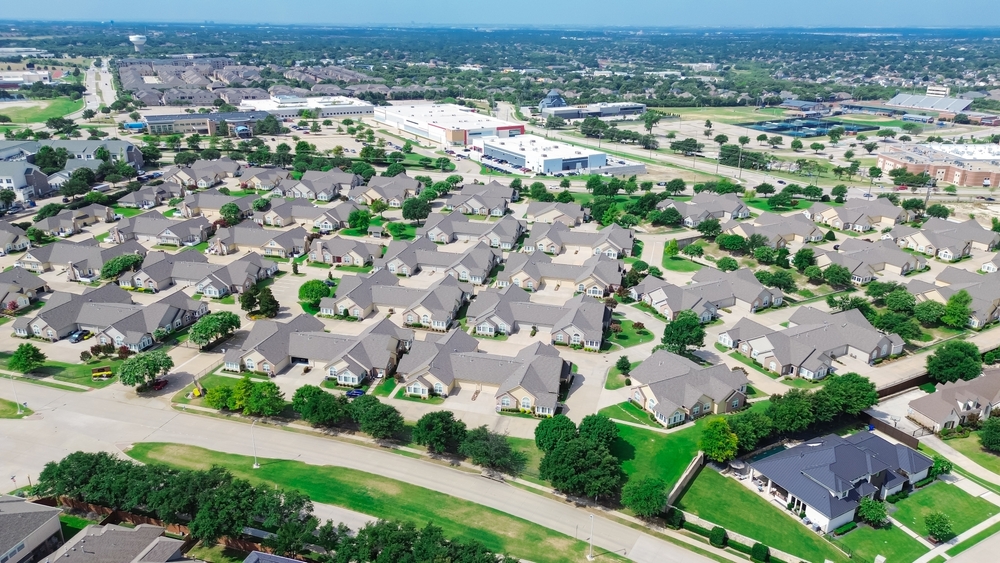
Suburban markets around Des Moines are especially attractive due to affordability, job growth, and lifestyle amenities.
Developer Insight:
Projects that succeed in Iowa are those designed around location-specific demand, not generic unit layouts.
2. Site Selection and Zoning Are Critical
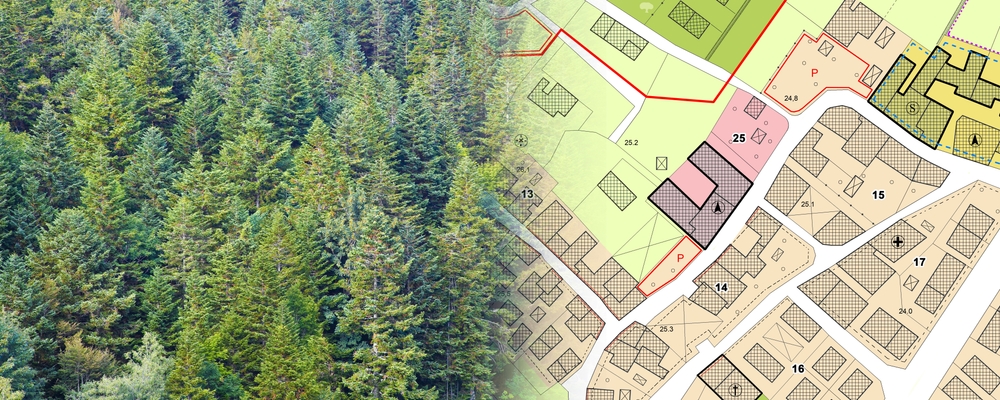
Different Iowa cities have different zoning rules, and approvals can vary significantly between municipalities.
Working with a contractor experienced in Iowa land development helps avoid delays and costly redesigns.
Explore how Happe Commercial supports land development and site planning for multi-family projects.
3. Budgeting Beyond Construction Costs
Many first-time developers underestimate the true cost of a multi-family project.
In addition to construction, budgets should account for:
- Site preparation and utilities
- Engineering and architectural fees
- Permits and inspections
- Financing and interest carry
- Contingency for material price fluctuations
In Iowa, seasonal construction cycles and material availability can also affect pricing.
Pro Tip:
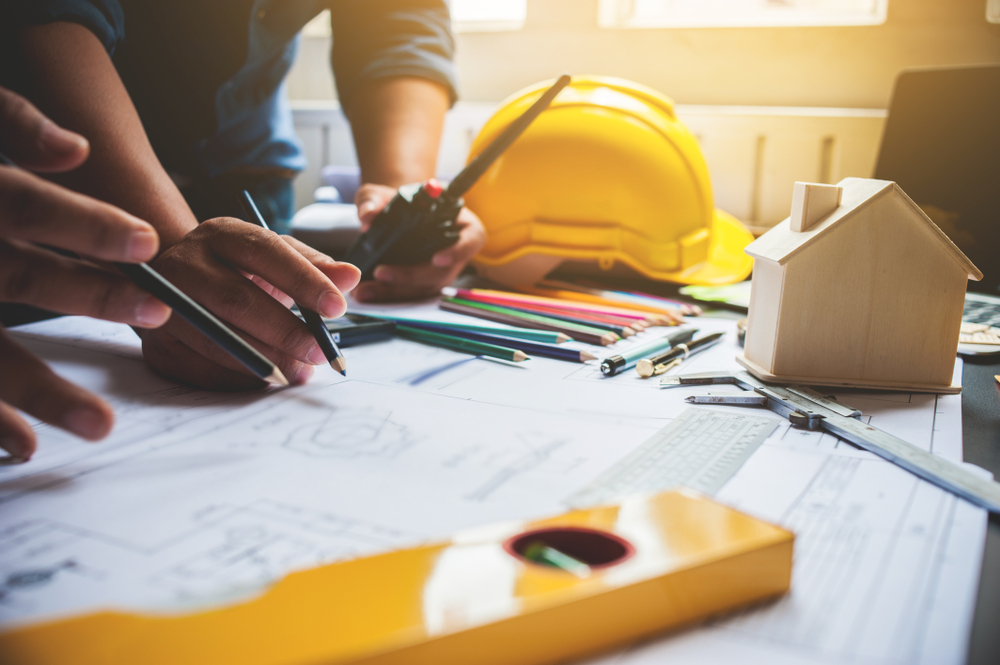
A transparent pre-construction process helps developers avoid budget surprises and maintain investor confidence.
Design for Iowa’s Climate and Long-Term Durability
Iowa’s climate brings unique challenges:
- Cold winters
- Heavy snow loads
- Spring storms and moisture
- Temperature fluctuations
Multi-family buildings must be designed with:
- Proper insulation and energy efficiency
- Durable exterior materials
- Effective drainage and roofing systems
- Low-maintenance finishes for long-term cost control
Designing for durability not only protects the structure, but it also improves NOI by reducing ongoing maintenance expenses.
5. Unit Mix, Amenities, and Tenant Expectations
Today’s renters expect more than just square footage.
Successful Iowa multi-family projects often include:
- A balanced mix of 1-, 2-, and 3-bedroom units
- In-unit laundry
- Energy-efficient appliances
- Shared community spaces
- Fitness rooms or outdoor gathering areas
- Secure entry systems
Amenities should be tailored to the local demographic, not overbuilt or underutilized.
See examples of well-planned projects in the Happe Commercial Portfolio.
6. Construction Type: Wood, Steel, or Hybrid?
Choosing the right construction method affects both cost and schedule.
Common options include:
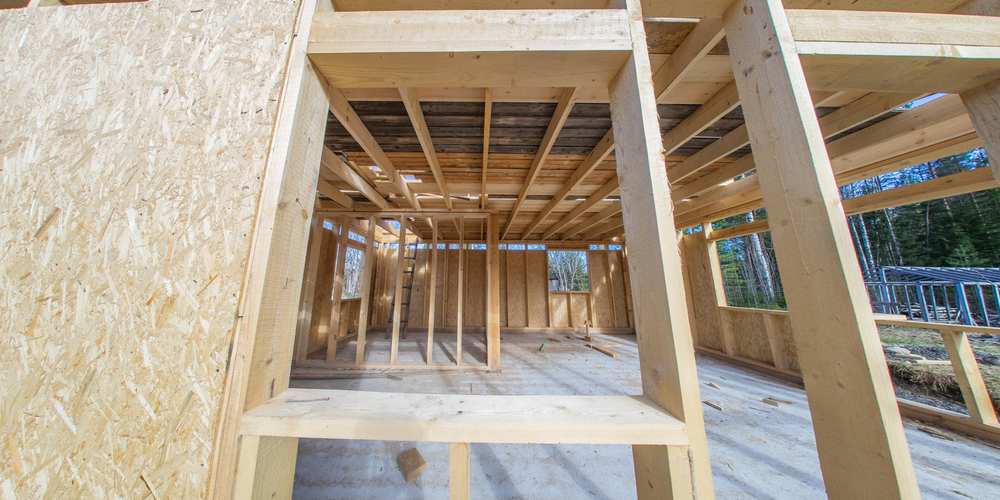
- Wood-frame construction: Cost-effective and popular for low- to mid-rise buildings
- Steel construction: Ideal for larger spans and long-term durability
- Hybrid systems: Combining materials for efficiency and strength
Each approach has advantages depending on height, density, and budget.
Working with a contractor experienced in wood and steel construction ensures the right solution for your project goals.
7. Project Timeline and Seasonal Planning in Iowa
Iowa’s construction season matters.
Developers should plan around:
- Winter slowdowns
- Spring thaw and site conditions
- Material lead times
- Inspection schedules
Starting pre-construction early allows ground-up builds to align with favorable weather and avoid unnecessary delays.
Developer Insight:
Strong project management keeps multi-family builds on schedule, even during unpredictable conditions.
8. Compliance, Inspections, and Safety Standards
Multi-family construction involves strict compliance with:
- Iowa building codes
- Fire safety and life-safety systems
- ADA accessibility requirements
- Energy codes
Failing inspections can lead to costly delays.
An experienced commercial construction partner manages inspections proactively and ensures quality assurance at every stage.
Learn more about Happe Commercial’s construction process and quality standards.
9. Financing, ROI, and Long-Term Value
Developers should evaluate more than just build cost, they should focus on long-term asset performance.
Key considerations:
- Rent potential vs. build cost
- Energy efficiency and operating expenses
- Durability of materials
- Flexibility for future upgrades
Well-built multi-family projects hold value better, attract stronger tenants, and reduce long-term risk.
10. Choosing the Right Construction Partner in Iowa

Your contractor plays a major role in the success of your development.
The right partner should offer:
- Local zoning and permitting knowledge
- Transparent budgeting
- Clear communication
- Proven multi-family experience
- Strong project management
At Happe Commercial, we work closely with developers from early planning through completion, helping turn concepts into profitable, long-lasting communities.
Frequently Asked Questions
How long does it take to build a multi-family property in Iowa?
Most multi-family projects take 12–24 months, depending on size, approvals, and construction type.
How long does it take to build a multi-family property in Iowa?
Most multi-family projects take 12–24 months, depending on size, approvals, and construction type.
Is Iowa a good market for apartment development?
Yes. Iowa’s affordability, stable job growth, and expanding suburbs make it a strong long-term rental market.
What permits are required for multi-family construction?
Permits vary by city but typically include zoning approval, building permits, utilities, and inspections.
How can developers reduce construction risk?
Early planning, realistic budgets, experienced contractors, and clear communication reduce risk significantly.
Ready to Start Your Multi-Family Project?
Multi-family development in Iowa offers strong opportunity—but success starts with smart decisions and the right team.
If you’re planning a new apartment or housing community, Happe Commercial is ready to help you move forward with confidence.
Contact Happe Commercial to discuss your multi-family project today.
